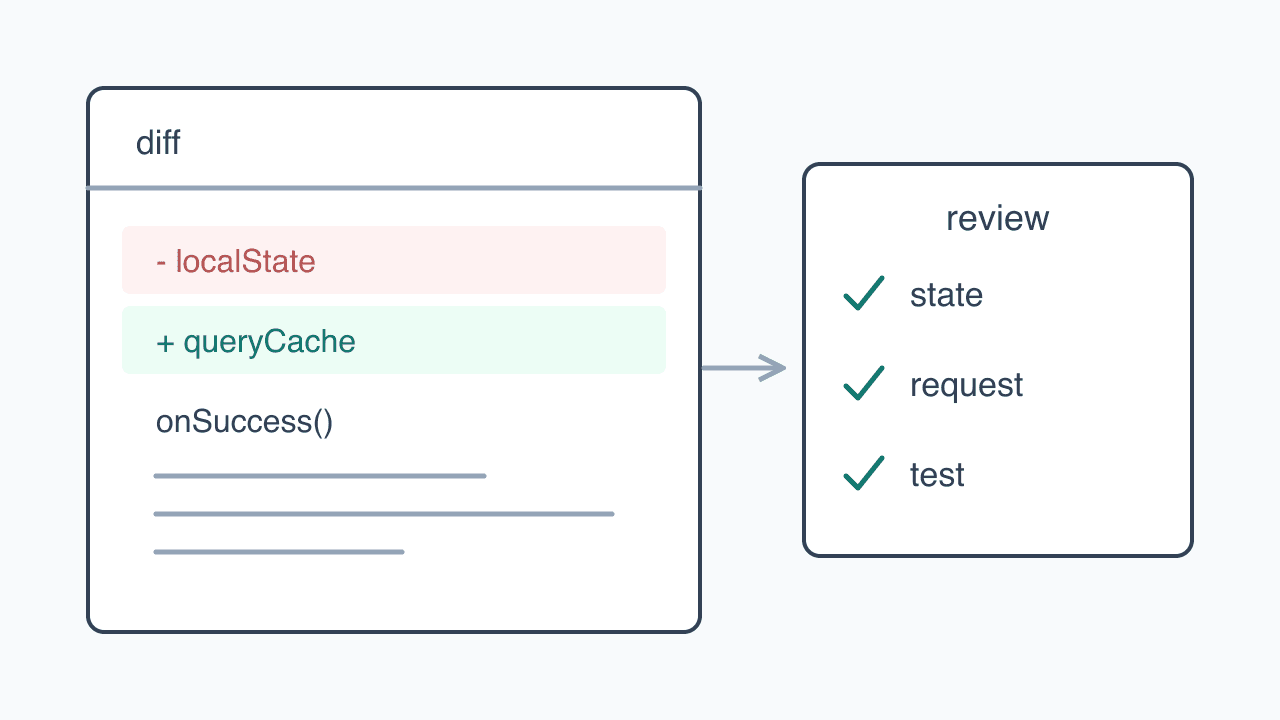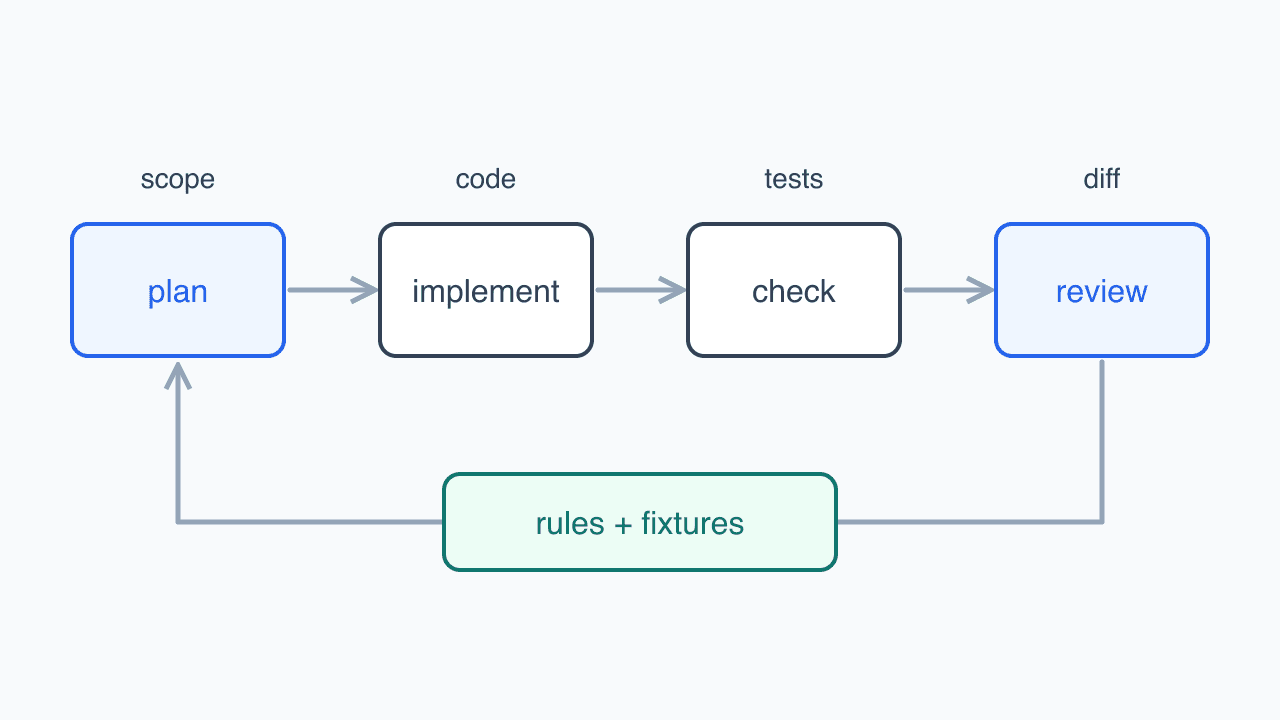
An illustration of the topic, rather than an actual product screenshot or exact architecture diagram.
I was asked to rank four combinations of success, failure, and effort by their value.
- Success without effort
- Failure without effort
- Success with effort
- Failure with effort
I answered 3 → 4 → 1 → 2. I thought making an effort left something regardless of the result. Among the remaining choices, I preferred success: even luck could leave a process to examine, while failure without trying seemed to offer nothing.
The phrase “without effort” stayed with me afterward. Did doing nothing mean the same thing as accomplishing something with little work?
If the question asks how much effort it took
I think I had read the first question as one about attitude. Success without effort sounded like luck; failure without effort sounded like not really trying. Under that meaning, I would still put effortful experiences first.
Reading it as the amount of effort produces a different question.
- Success with little effort
- Failure with little effort
- Success with much effort
- Failure with much effort
While exploring an approach, I would now lean toward 1 → 2 → 3 → 4. What a small attempt reveals can be useful on the next attempt too.
Less work can depend on work done earlier
Practice and automation can make the same task easier. Reusing code and checks means the next task does not require every explanation and verification step from scratch.
If the result is the same, taking less work to get there does not make the experience less valuable. The time left over can go to another problem.
A small failure can be easier to change
The second choice also looked different. Failing without trying is not the same as testing an approach on a small scale and finding it unsuitable.
A short implementation may show why an approach will not work. If I know what was wrong and have little to undo, I can choose another method before spending much longer on it.
For completed work, I would still value success first. What I reconsidered was an attempt made while searching for a method. There, a short attempt followed by a change can help more than time spent pursuing one approach.
Correcting AI-generated code changed too
My first attempts with coding agents repeatedly produced long prompts and discarded output. Later, the intended feature appeared, but I still read all the code and repeated the same corrections.
I recorded those comments in skills and put checks that tests or lint could perform into code. Later tasks needed fewer repeated explanations, and I had a clearer place to resume when something went wrong.
Some small features and refactorings now produce results I am satisfied with without edits from me. I still read and check them, but do not need to finish every implementation by hand.
Saying the latest task took little effort leaves out that history. Corrections made and recorded earlier were being used in the next implementation. Thinking about that experience makes me place a success achieved with little effort closer to the front.