I dropped RDS while looking at deployment costs. I considered serverless options too, but decided to start with the web apps, APIs, and PostgreSQL on one small EC2 instance. That also meant working through storage, backups, and S3 permissions.
The photo community uses GraphQL and Apollo; Game Mate uses REST and TanStack Query. How I chose their API contracts, database safeguards and tests, then added ESLint rules for code boundaries.
I specified the features and architecture, then gave an AI agent as much freedom as possible to implement them. Trying the services and reading the code led me back to screen layouts, anonymous account recovery, group permissions, message retries, and other missing details.
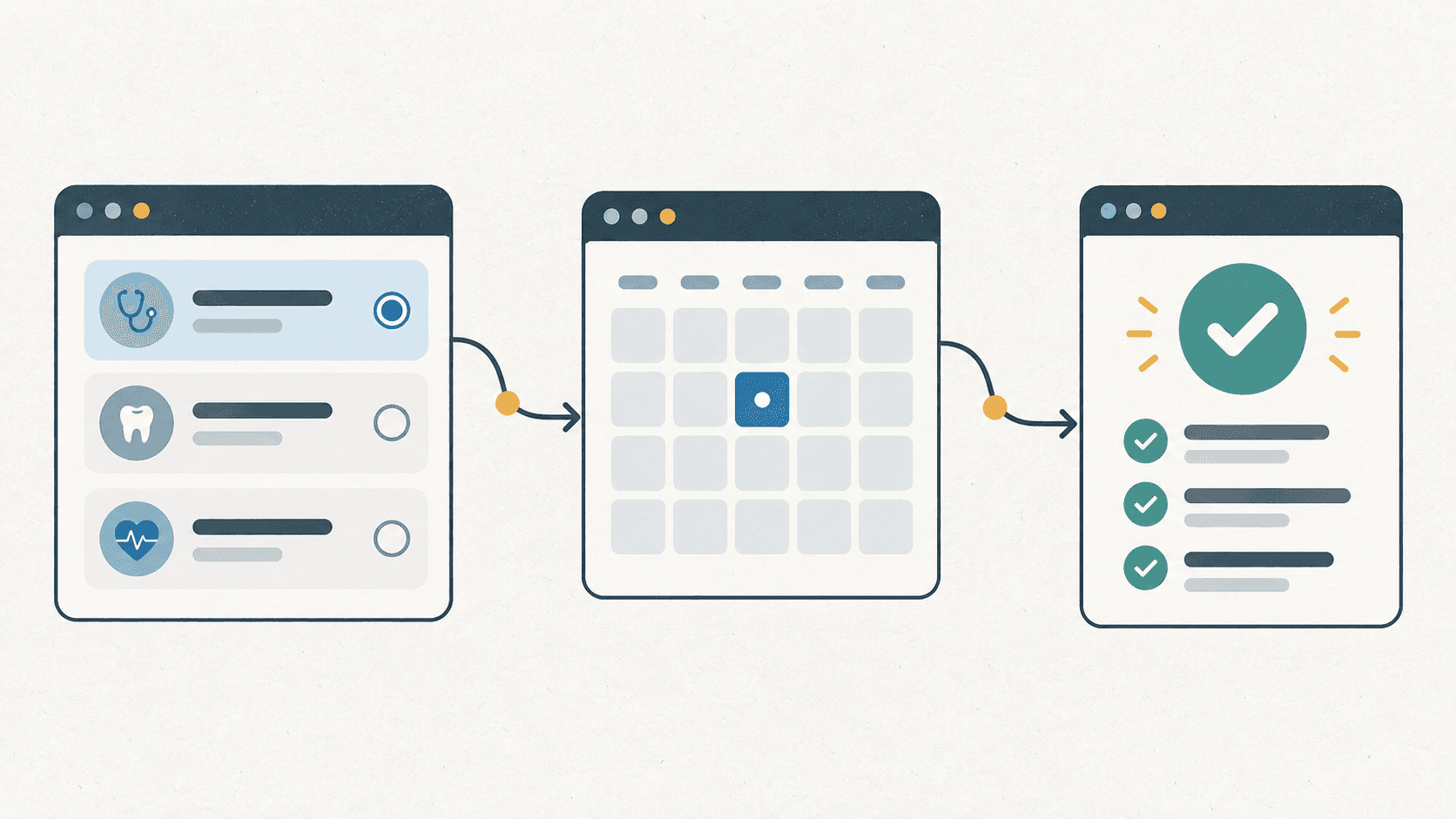
I brought health checks from phone inquiries into portal selection and payment. Adding them to existing programs required separate decisions for registration rights, examination choices, and returning from payment.
Removing type assertions led me to separate failure handling for API responses, URLs, and forms. A narrower type does not necessarily mean a safer runtime value.
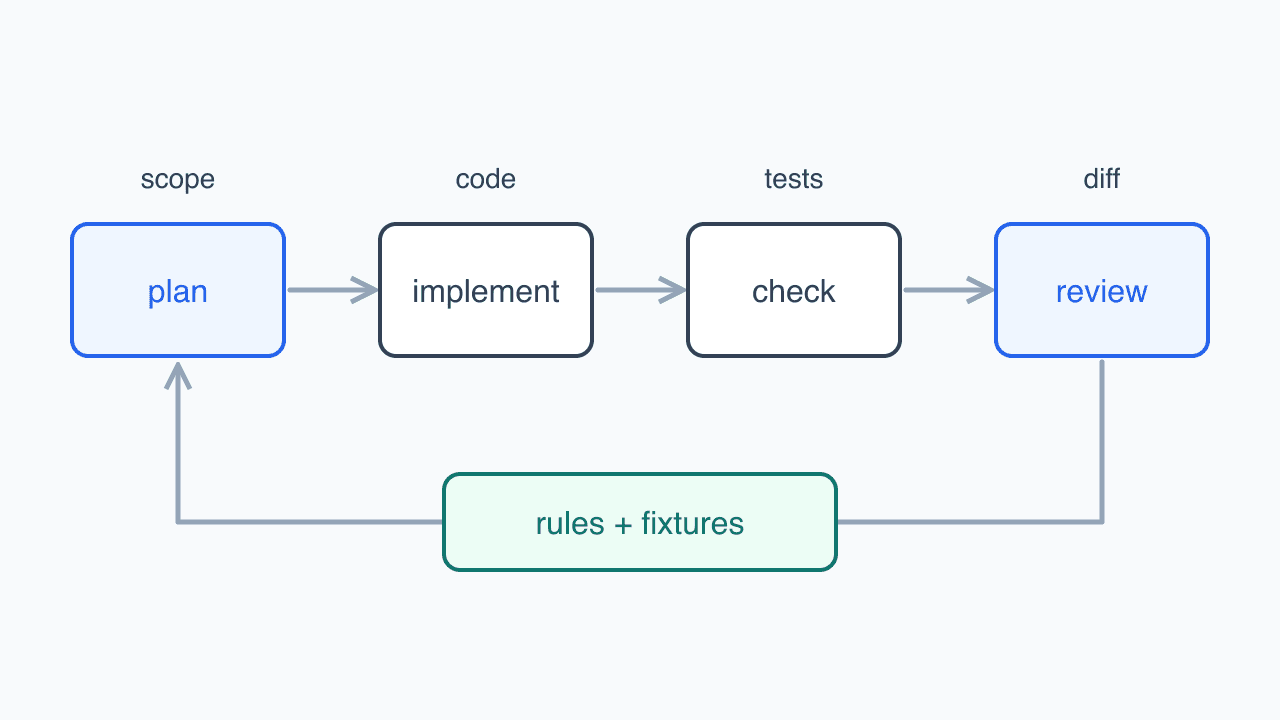
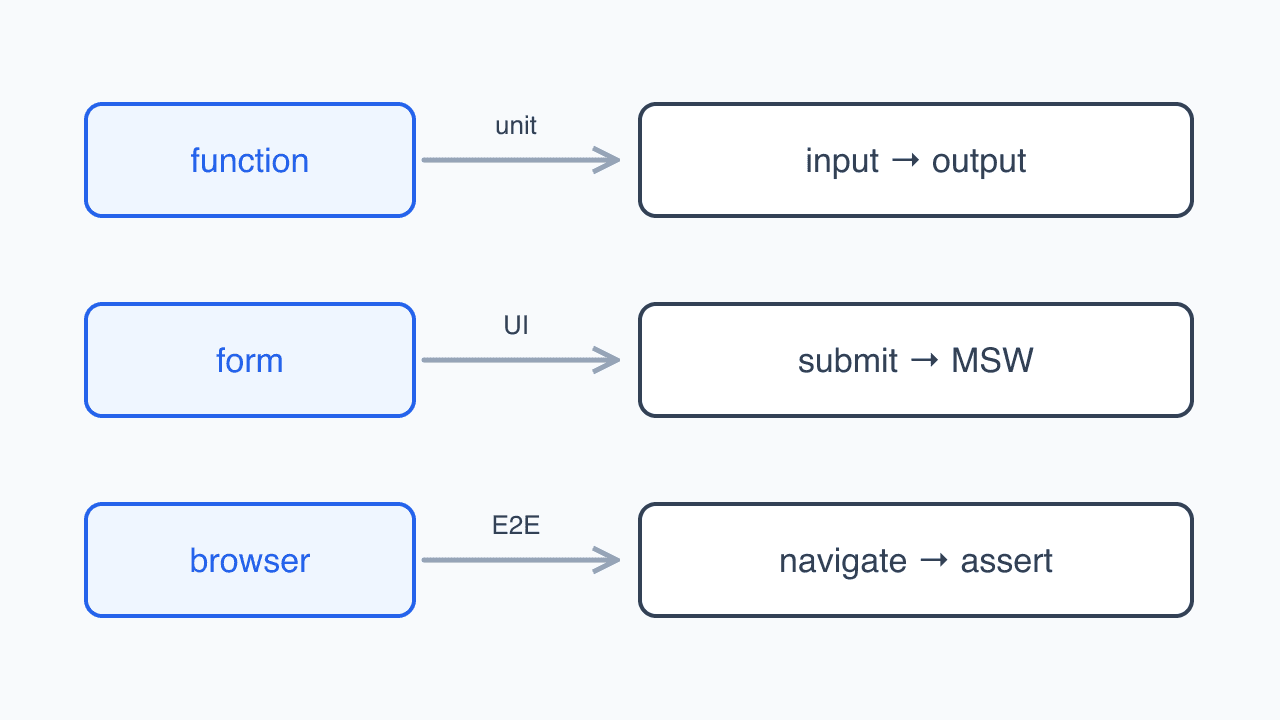
An agent reported a passing test that waited for text the screen never showed. Delegating implementation led me to read plans and diffs myself and turn recurring corrections into guidance for later work.
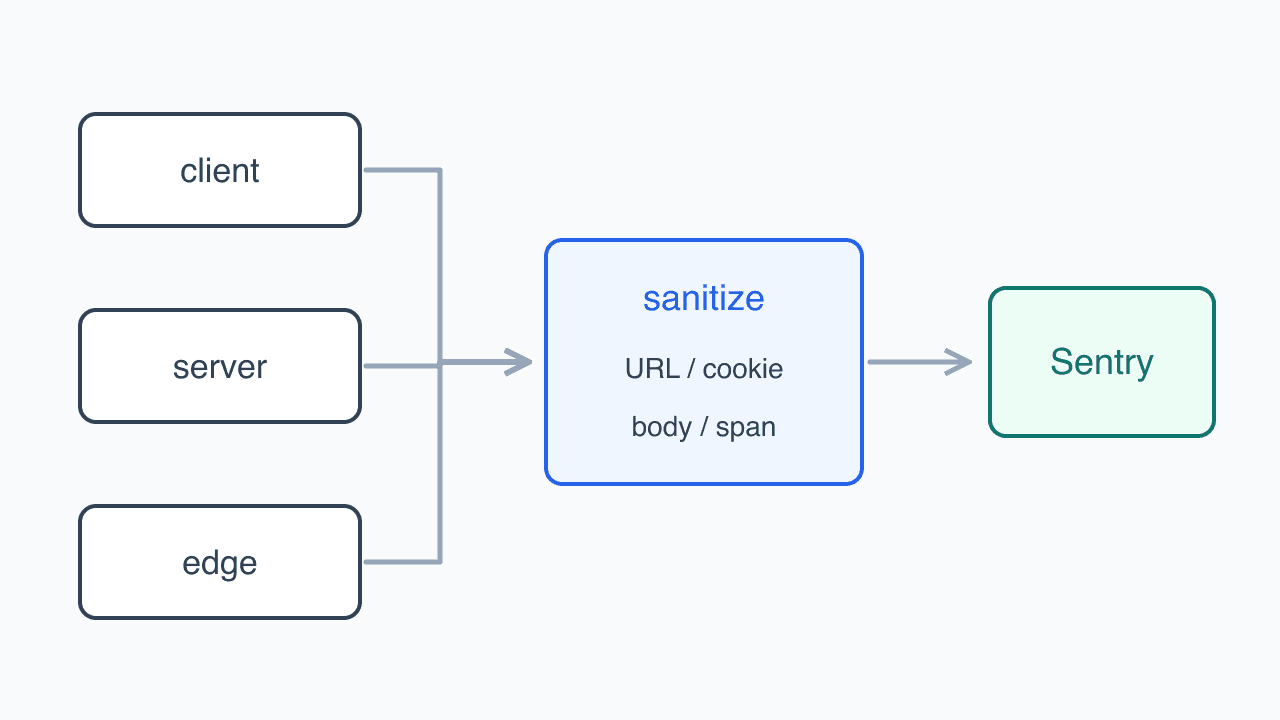
I connected browser and server errors to Sentry, set reporting policies and severity levels, and verified Web Vitals, MCP access, and release artifacts.
One failed list query removed the menu and header too. I changed query placement along with Error Boundaries so a failed table or filter could be retried in place.
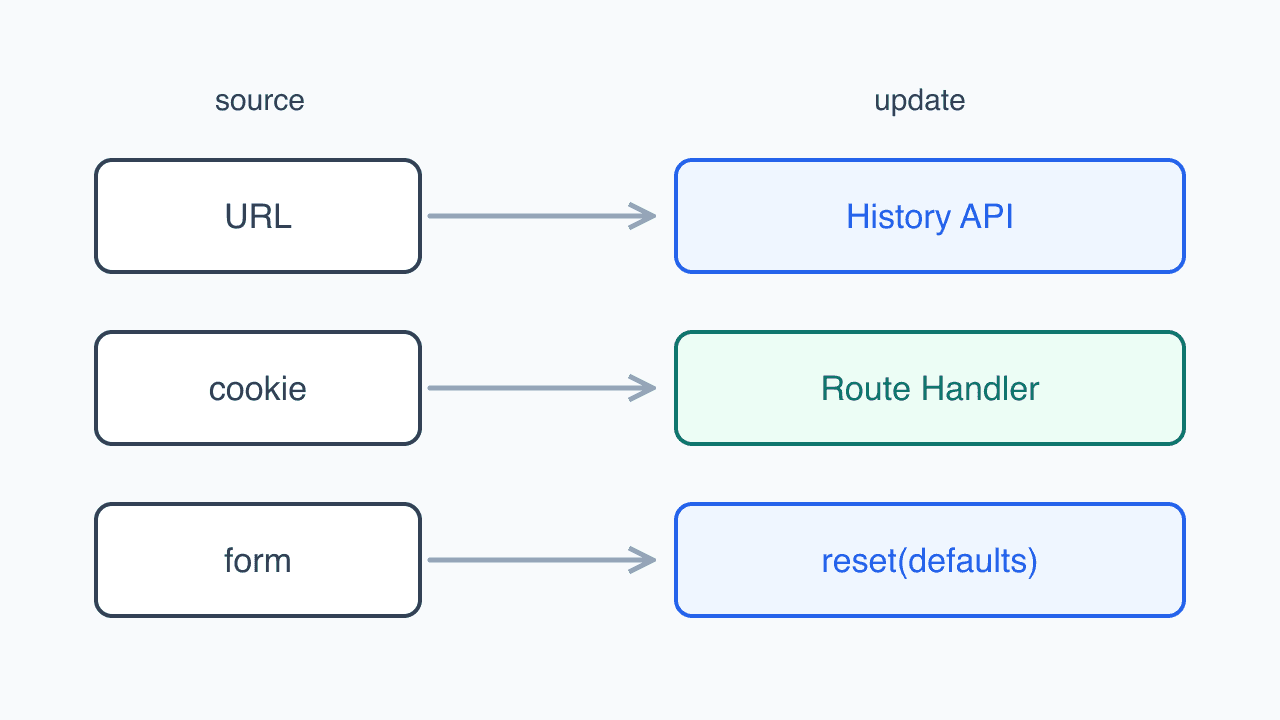
Searches left the URL unchanged, and a deployment stopped notices from closing in old tabs. Tracing routing, cookies, and form resets led me to reconsider which actions needed the server.
Some components made me read query sequencing and calculations before I could see the screen. These examples show how I separated composition from detail in review pages, filters, and coupon calculations.
A prototype migration involved asking an agent to build similar features repeatedly. I put recurring corrections into skills, then found that short, absolute rules could produce the wrong changes too.
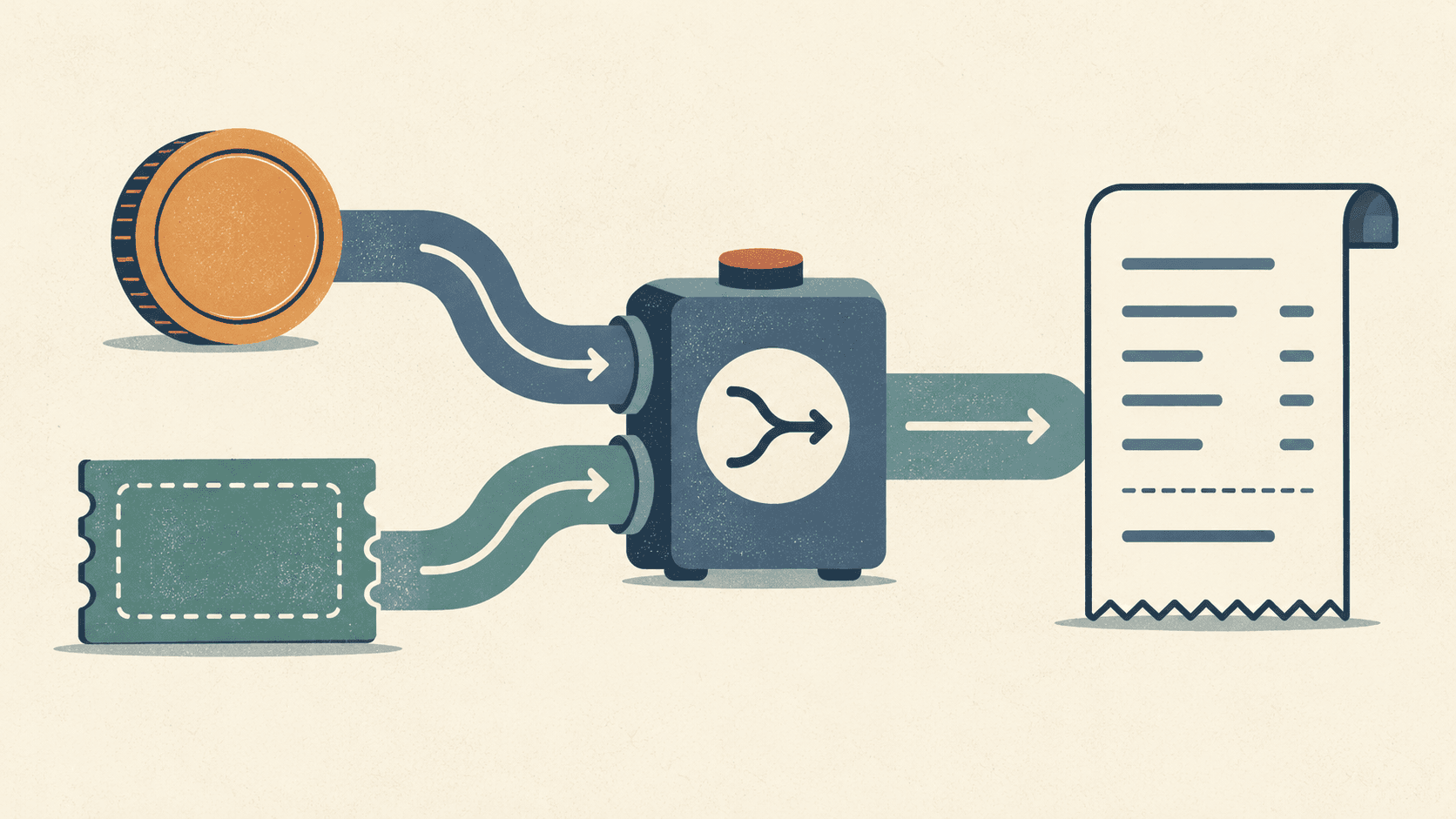
Coupons made payment method alone insufficient to choose a view. Unsaved rows needed editable amounts and coupon clearing; saved rows needed to show coupon usage alongside the on-site payment.
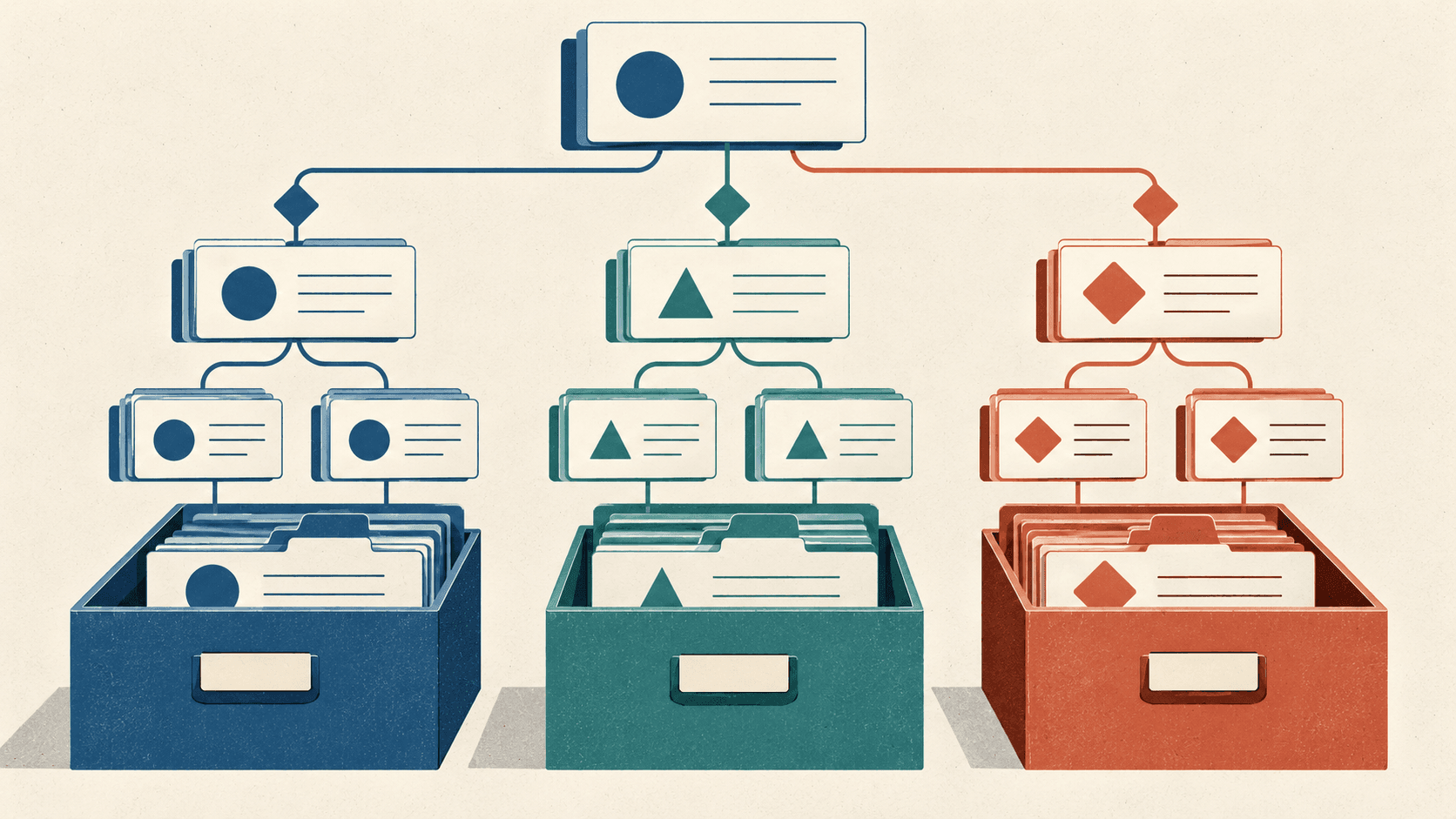
The folders followed FSD, yet placing a new file still prompted another discussion. Moving real code led me to regroup domain code and screen composition and abandon strict URL mirroring.
AI answers and counselor messages came from separate services. To put both in one conversation, I separated where messages were sent from where they were displayed.
A shared interceptor read authentication cookies inside the sitemap cache. I separated public reads from member-specific reads and chose the cache boundary.
The settlement screen needed to open on another host without a second login. I moved tokens from URLs to a form POST, while the duplicated authentication state still needed separate handling.
Moving review writing to RHF and Zod also meant reconnecting treatment selection. I changed the sheet to cancel on close and write selections to the form only after confirmation.
Reservation details looked fine in the browser, yet the first HTML lacked hospital information. Starting prefetch did not mean the server was ready to pass its data along.
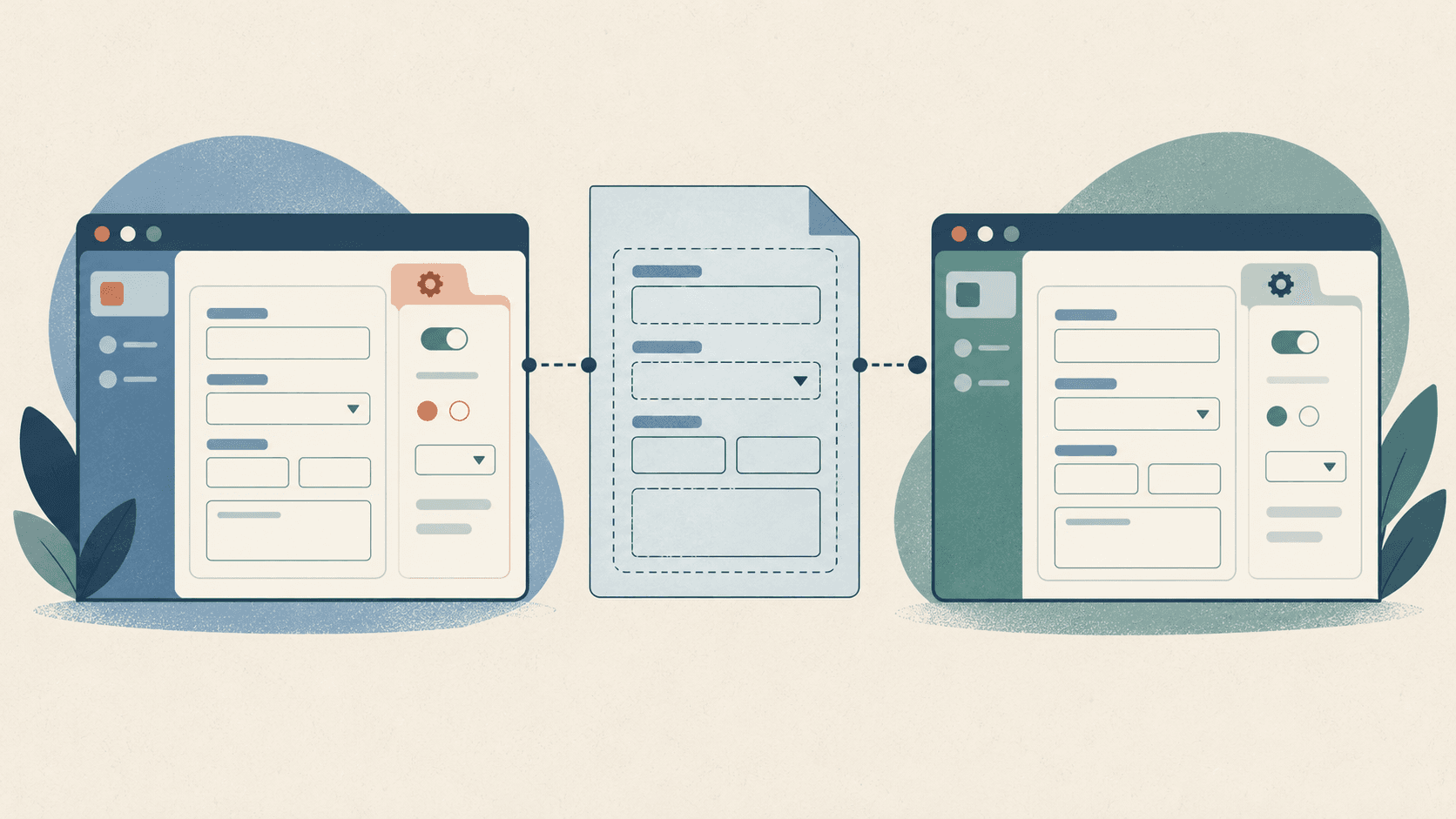
Adding a family member left reservation dates behaving as if the old participant count still applied. I separated the server's family list from user selections and moved ongoing edits into React Hook Form.
I wanted browser queries to pick up data fetched on the server. I used different QueryClient lifetimes in each environment and shared the query definitions between them.
These are the TypeScript patterns I use to preserve inference and express relationships between values: satisfies, optional properties, generics, and mutually exclusive props.
After editing an applicant's memo, I had to search for strings to find the cache to refresh. I moved keys and query functions into shared definitions and kept invalidation choices beside each mutation.
Adding a recruiting platform also copied the collection workflow. I introduced and then removed NestJS, while keeping request handling, collection order, and site-specific processing separate.
An Electron collector needed request headers and file information before it could continue. A closure collected the values, while a Promise ended the wait and cleaned up the listeners.